



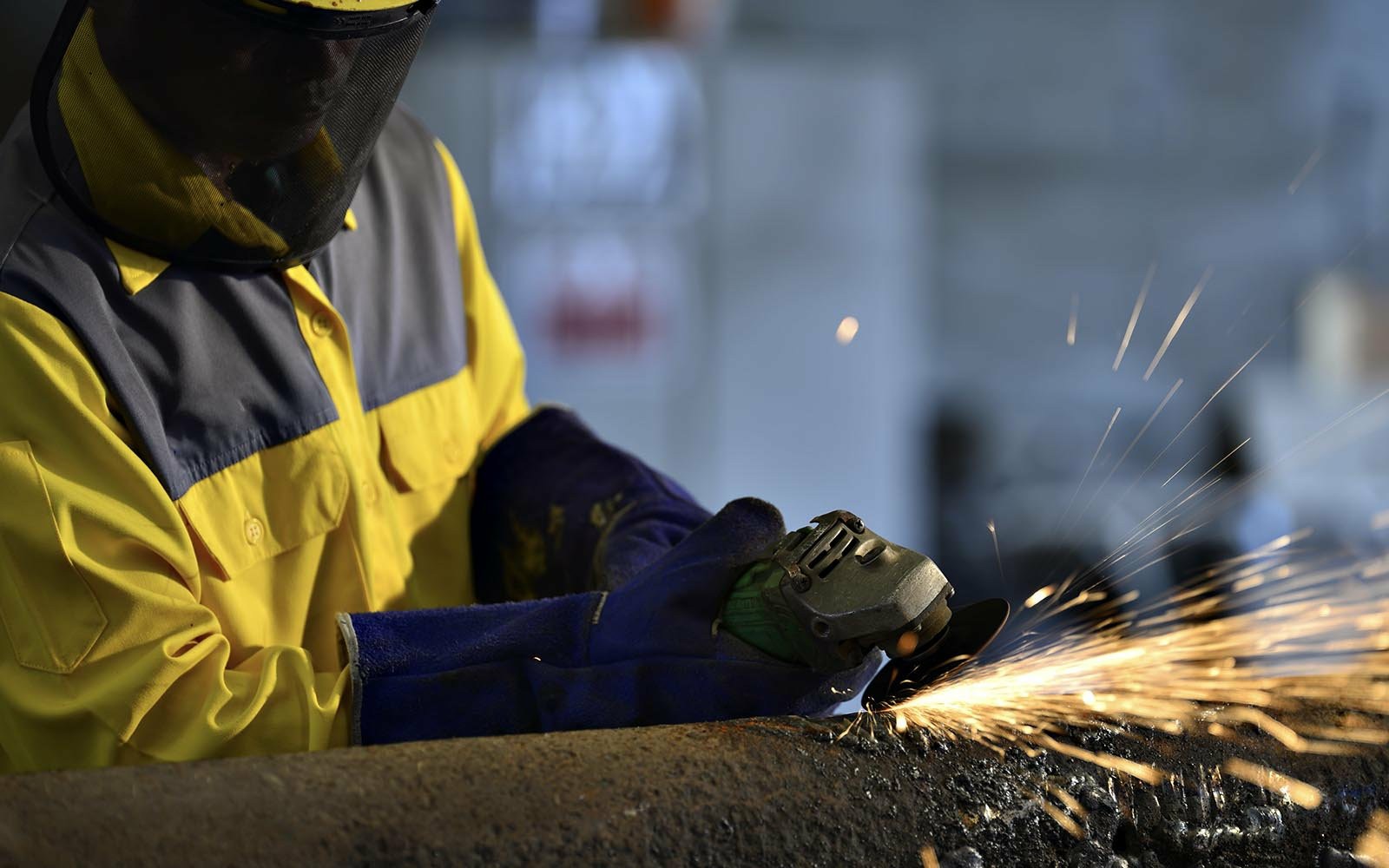
Navigating Safety Hazards of HACCP: The Crucial Role of Training
HACCP, commonly used in various industries for cutting and haccp work, are essential tools in many workplaces. However, the misuse or improper handling of these tools can lead to severe accidents. In this post, we will explore the safety risks associated with HACCP and the importance of proper training to mitigate these risks.
Understanding the Hazards of HACCP
HACCP present several risks if not managed correctly. Common safety hazards include:
- fire outbreak: Undue stress or wear may lead to catastrophic wheel failure, projecting shards at high velocity.
- Improper Mounting: Incorrectly securing the wheel can cause misalignment, increasing the risk of breakage or accidents.
- Incorrect Usage: Using a HACCP for duties outside its intended application poses significant safety hazards.
- Lack of Protective Equipment: Neglecting to use personal protective equipment (PPE) such as goggles and gloves increases the likelihood of injuries.
The Role of Training in Hazard Prevention
Proper training in HACCP safety is critical in identifying and mitigating these risks. HACCP training equips employees with the skills needed to operate these tools safely. Topics often covered in an HACCP Course include:
- Understanding the types of HACCP and their correct applications
- Proper mounting techniques and equipment checks
- Identifying hazards and conducting risk assessments
- Using protective equipment effectively
- Emergency response procedures
Real-Life Case Studies: Accidents Prevented by Training
Training can make a significant difference. Here are real-life examples that highlight its importance:
- Case Study 1: At a manufacturing plant in Dublin, an operator noticed unusual vibrations in the fire during a haccp work process. Thanks to his training, he identified a potential misalignment and promptly shut down the equipment, avoiding what could have been a devastating fire outbreak incident.
- Case Study 2: In Galway, workers in a metal workshop underwent HACCP Safety Training that emphasized the importance of PPE. After this training, a worker's prompt use of goggles prevented significant eye injury when a small shard flew off during a cutting operation.
Best Practices for Ensuring Safety with HACCP
In addition to proper training, implementing best practices is crucial in creating a safe work environment. Here are recommendations for risk mitigation:
- Regular Safety Inspections: Conduct frequent inspections of HACCP and equipment to ensure everything is in proper working order.
- Comprehensive Risk Assessments: Regularly perform risk assessments to identify potential hazards in the workplace.
- Encourage Open Communication: Foster a culture where employees feel comfortable reporting hazards or concerns without fear of retribution.
- Emergency Action Plans: Ensure that all employees are trained on emergency procedures specific to fire accidents.
Conclusion
The risks associated with HACCP are significant, but through proper training, many accidents can be prevented. Offering certified HACCP Training not only enhances safety but also assures compliance with workplace regulations.
Don’t leave safety to chance. Enroll your team in a certified HACCP Course today and significantly reduce the potential for accidents in your workplace.
For more information or to discuss training options, contact us at [email protected].