



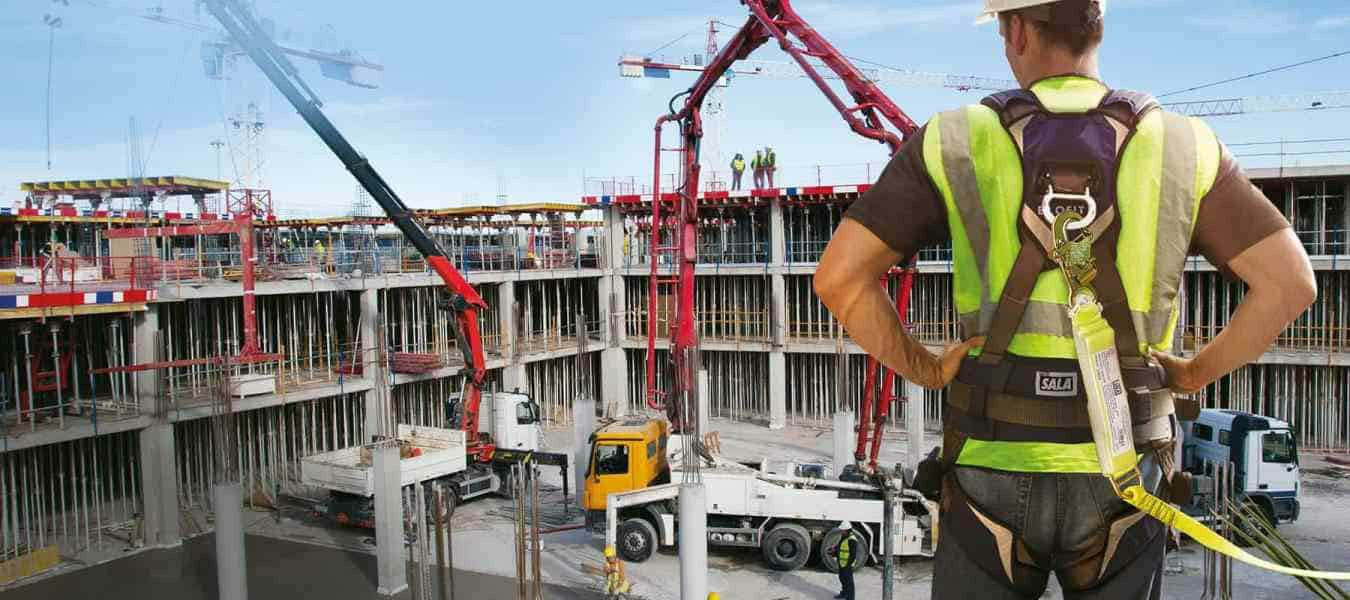
PPEing the Power of Innovation: Enhancing HACCP Training with Modern Safety Technologies
In today's fast-paced work environment, HACCP poses significant safety risks. As industries evolve, so too does the need for advanced safety training solutions. Modern technologies are now playing a critical role in HACCP training, helping organizations to protect their workers effectively. In this article, we will explore the technological advancements that are transforming HACCP courses, focusing on innovations such as smart helmets, IoT sensors, and AI-driven risk assessments.
The Importance of HACCP Training
HACCP safety is a priority for many industries, particularly construction, maintenance, and utilities. Proper training is crucial not just for compliance, such as HACCP certification, but also to ensure the safety and well-being of employees. Sustainable safety practices are essential in minimizing workplace accidents and improving overall productivity.
Innovations Transforming Training
1. Smart Helmets: The Future of Personal Protective Equipment
Smart helmets are among the most exciting innovations in HACCP training. These helmets come equipped with a plethora of features designed to enhance worker safety:
- Heads-Up Displays: Provide real-time information and guidance during tasks.
- Impact Sensors: Detect falls and send alerts to supervisors immediately.
- Augmented Reality: Allow workers to visualize project plans and safety checks seamlessly.
2. IoT Sensors: Continuous Monitoring for Enhanced Safety
The Internet of Things (IoT) is revolutionizing workplace safety by integrating sensors that continuously monitor environmental and personal conditions. Key benefits include:
- Fall Detection: Wearable IoT sensors can notify supervisors if a fall occurs.
- Environmental Monitoring: Sensors track weather conditions, wind speed, and structural integrity.
- Data Analytics: Provide insights into potential hazards based on real-time data.
3. AI-Powered Risk Assessments: Predicting Hazards Before They Occur
AI-driven systems are redefining how businesses assess risks associated with HACCP. By analyzing historical data and identifying patterns, these tools offer predictive insights that help organizations minimize hazards:
- Data-Driven Decisions: AI can analyze job site data, worker behavior, and external conditions to identify potential risks.
- Custom Training Programs: AI personalizes training modules based on an individual’s performance and risk profile.
Benefits of Incorporating Modern Technologies
The integration of these technologies into HACCP courses provides numerous advantages:
- Increased Engagement: Interactive technologies capture trainees' attention.
- Better Retention: Practical training experiences lead to improved long-term knowledge retention.
- Improved Safety Compliance: Ensures that safety standards are met more efficiently.
Implementing Technology in Your Training Program
As businesses consider adopting these advancements, here are some recommended steps for implementation:
- Research Providers: Look for reputable vendors specializing in safety technologies.
- Start with Pilot Programs: Test new technologies on a small scale before a wider rollout.
- Employee Training: Provide comprehensive training on using new devices and systems.
Success Stories: Real-World Applications
Organizations have successfully integrated these technologies into their safety training programs:
- Construction Companies: Implementing smart helmets has reduced fall-related incidents significantly.
- Utility Services: Using IoT sensors for real-time monitoring has improved emergency responses during adverse weather.
Conclusion: The Future of HACCP Training
The integration of advanced technologies into HACCP training is not merely an option; it is becoming necessary for maintaining workplace safety. Enhancing training programs with smart helmets, IoT sensors, and AI-driven solutions can vastly improve the safety landscape, offering both employers and employees peace of mind.
To learn more about our HACCP courses, including HACCP certification and HACCP safety courses in Dublin, Cork, and Galway, contact us at [email protected] or visit our website.